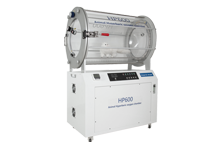
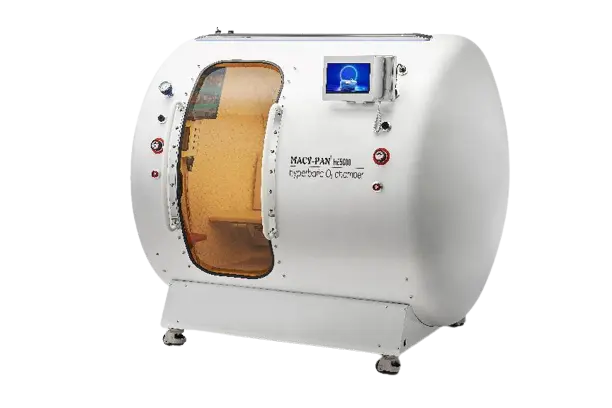
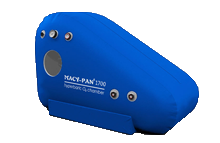
Hyperbaric Oxygen Therapy (HBOT) is a medical treatment that involves breathing pure oxygen in a pressurized environment. The increased pressure allows your lungs to gather more oxygen, which is then dissolved into your bloodstream, enhancing oxygen delivery to your body's tissues.
During HBOT, you enter a hyperbaric chamber, where the atmospheric pressure is increased to two or three times higher than normal. This causes your lungs to absorb a higher amount of oxygen, even in areas with restricted blood flow.
HBOT has shown efficacy in treating a range of conditions, including decompression sickness, non-healing wounds, radiation injuries, and carbon monoxide poisoning. It's also used as an adjunctive therapy for conditions like autism, cerebral palsy, and multiple sclerosis.
Mild Hyperbaric Oxygen Therapy involves breathing oxygen at a lower pressure than traditional HBOT. The pressure in mild HBOT chambers is typically around 1.3 times that of normal atmospheric pressure, unlike the higher pressure used in HBOT.
Mild HBOT still increases oxygen levels in the body but to a lesser extent than HBOT. The increased oxygen can stimulate healing processes and support overall well-being.
Mild HBOT is often used to boost energy, improve sleep quality, and enhance recovery after physical exertion. It's also explored for its potential in reducing inflammation and support mental clarity.
The primary distinction lies in the pressure levels. HBOT operates at significantly higher pressures, allowing for more intensive oxygen absorption compared to the milder pressure used in mild HBOT.
HBOT sessions are usually shorter, typically lasting about an hour, and require fewer sessions to achieve desired results. Mild HBOT sessions can be longer and may require more frequent visits.
HBOT is considered more potent for addressing severe medical conditions like serious wounds and decompression sickness. Mild HBOT is often seen as a wellness and performance enhancer, with potential benefits for various conditions. When comparing hbot vs mhbot, users should consider the required pressure level, treatment purpose, supervision needs, session frequency, and intended treatment environment.
To help health clinics, wellness centers, and home users make informed decisions, here is the structural and operational breakdown between Mild Hyperbaric Oxygen Therapy (mHBOT) and clinical HBOT:
| Feature / Parameter | Mild HBOT (mHBOT) | Clinical HBOT |
| Working Pressure | Typically 1.3 ATA to 1.5 ATA | High pressure (2.0 ATA to 3.0 ATA) |
| Oxygen Delivery | 93% - 96% Purified Oxygen via mask/headset | 100% Pure Medical-Grade Oxygen |
| Chamber Material | Flexible TPU (Soft Type) or Light Aluminum (Hard Type) | Heavy Steel / Acrylic Monoplace or Multiplace |
| Supervision Need | Safe for self-operation & home wellness | Requires strict medical supervision & technicians |
| Primary Applications | Fatigue recovery, anti-aging, sleep, sports rehab | Carbon monoxide poisoning, decompression sickness |
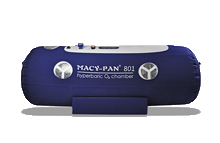
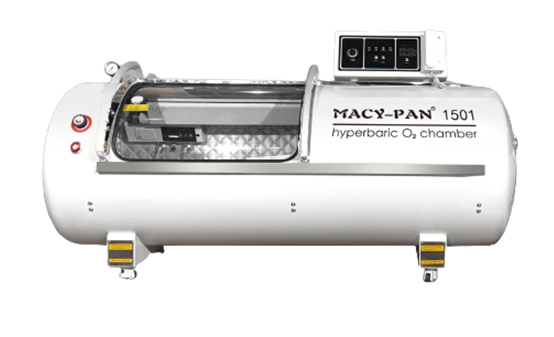
| Macy-Pan Solutions | Lying Hyperbaric Chamber ST801 & Hard HBOT HE5000 | Specialized multiplace clinical infrastructure |
HBOT can pose risks such as ear and sinus discomfort, oxygen toxicity, and barotrauma (pressure-related injuries).
Mild HBOT is generally considered safe. However, it's important to disclose all medical conditions to your healthcare provider before undergoing any treatment.
HBOT is recommended for specific medical conditions and is supervised closely by medical professionals. Mild HBOT might be suitable for those seeking general wellness benefits.
For medical conditions requiring intensive oxygen therapy, HBOT may be the preferred choice. Mild HBOT could be suitable if you're seeking overall well-being and performance enhancement.
Define your health goals: healing specific injuries or medical conditions vs. enhancing energy and wellness.
Always consult with your healthcare provider before starting any hyperbaric therapy. They can guide you based on your individual needs.
Macy-pan has quality hyperbaric oxygen for sale, you can send a email to rachel@macy-pan.com or dial at 0086-180-1702-3916 if interested.
Q: Can I use a 1.3 ATA or 1.5 ATA mHBOT chamber at home without a doctor's supervision?
A: Yes. Mild hyperbaric chambers operating at 1.3 ATA or 1.5 ATA are classified as generally safe for residential and commercial wellness settings. Because the pressure levels do not reach the extreme 2.0+ ATA thresholds of clinical chambers, the risks of barotrauma are minimized. This makes our popular lying hyperbaric chamber systems exceptionally user-friendly for daily personal recovery, anti-aging routines, and sleep improvement.
Q: What is the main difference between soft-type and hard-type mHBOT chambers?
A: Soft-type chambers are constructed from heavy-duty, flexible TPU materials, making them portable and cost-effective for home optimization. Hard-type chambers feature rigid aluminum or composite shells that can comfortably sustain higher, steady pressures up to 1.5 ATA or 2.0 ATA. If you are looking for a multi-user solution for a commercial clinic, exploring a multi-person hard HBOT chamber setup will provide a more spacious and premium experience for your clients.
Q: How can I request wholesale pricing or a custom OEM chamber configuration from Macy-pan?
A: Shanghai Baobang (Macy-pan) is a direct manufacturer with complete ISO13485 and CE certification. We provide comprehensive OEM/ODM customization—including custom chamber sizes, integrated oxygen concentrators, and branding. To request a factory-direct wholesale quote or technical catalog, please consult our step-by-step how to install Macy-pan hyperbaric chamber guide or reach out to our global sales team directly at rachel@macy-pan.com.

Discount Price, ship by DHL, door to door service, 5-7days delivery time, local technical support

We supply soft and hard chambers from 1.3-2.0ATA to reach different customers' needs

Create custom uniquea hyperbaric chambers to reach your target market

We have more than 50 distributors around world, looking forward to having you on board.

 français
  Deutsch
  italiano
  العربية
  čeština
  Suomi
Suomi  Polska
  עברי
עברי